
Ever wondered what makes the internet tick? Behind every website you visit, every video you stream, and every online interaction, lies a hidden powerhouse: the data center. These massive facilities are the unsung heroes of our digital age, working tirelessly to keep the modern internet running smoothly and efficiently.
In this article, we’ll demystify the world of data centers and explore exactly how data centers power the modern internet. We’ll break down complex concepts into clear, actionable insights, helping you understand the critical infrastructure that underpins our connected lives. Get ready to discover the essential role these technological marvels play in our daily digital experience.
Introduction
Every time you load a webpage, stream a video, send a message, or pay a bill online, a vast physical infrastructure springs into action. This infrastructure — the data center — is the engine room of the modern internet. It is easy to treat the internet as an invisible, wireless cloud, but in reality it depends on millions of servers housed in highly controlled buildings connected by fiber-optic cables. Understanding how data centers power the modern internet helps you make informed decisions, whether you are choosing a hosting provider, planning a career, or simply trying to understand the digital world you rely on daily.
This article explores How Data Centers Power the Modern Internet with clear, practical guidance. We will break down what data centers are, how they operate, why they matter, and what you can do to engage with them effectively. Reliable information and consistent habits lead to better long-term outcomes, so we will focus on fundamentals and actionable steps rather than hype or jargon.
Key Concepts
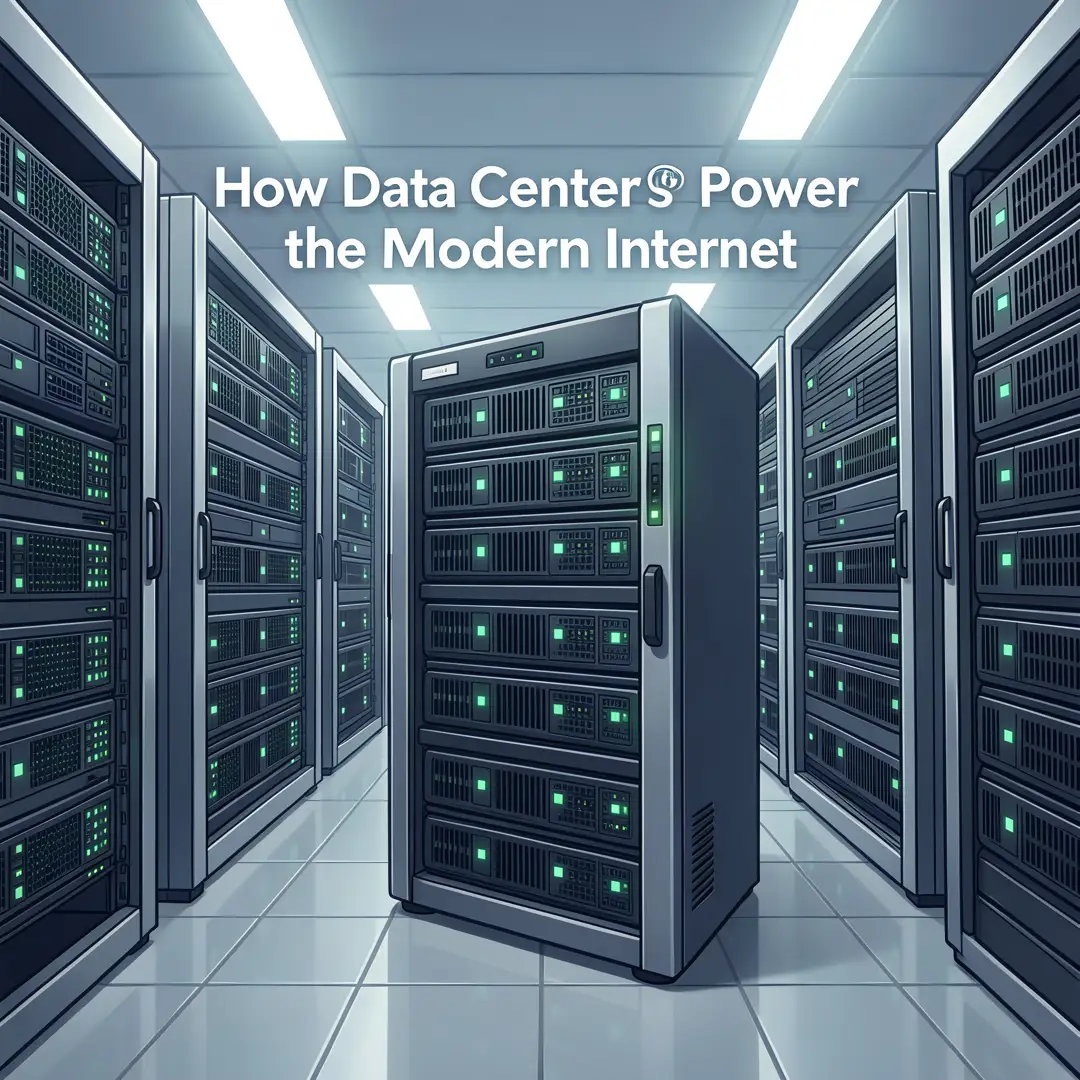
Before diving into operational details, it helps to define the core vocabulary. A data center is a facility that houses computer systems and associated components, such as telecommunications and storage systems. It typically includes redundant power supplies, cooling systems, fire suppression, and security controls. These facilities come in several forms:
- Enterprise data centers: Owned and operated by a single organization for its own internal needs.
- Colocation centers: Rent space, power, and cooling to multiple customers who bring their own servers.
- Hyperscale data centers: Massive facilities built by cloud providers like Amazon, Microsoft, and Google to serve millions of users.
- Edge data centers: Smaller facilities located close to end users to reduce latency for applications like gaming and autonomous vehicles.
Another key concept is the distinction between the physical and logical layers. Physically, data centers are buildings filled with racks of servers, networking equipment, and storage arrays. Logically, they host virtual machines, containers, databases, and applications that make the internet work. Understanding the fundamentals of How Data Centers Power the Modern Internet means grasping both layers and how they interact.
Redundancy is a recurring theme. Data centers use redundant power (multiple utility feeds, generators, batteries), redundant cooling (multiple chillers, air handlers), and redundant network paths. This redundancy is measured in tiers, with Tier IV being the most fault-tolerant. For most users, the tier level is invisible, but it directly affects uptime and reliability.
Deep Dive
To appreciate how data centers power the modern internet, consider a typical request. You type a URL into your browser. Your device sends a DNS query to resolve the domain name to an IP address. That query travels through your internet service provider to a DNS resolver, which may itself query root servers and authoritative name servers. Once the IP is known, your browser opens a TCP connection to that address. If the website is hosted in a data center, the request enters the facility through a router, passes through firewalls and load balancers, and reaches a web server. The server may query a database, also in the data center, and then return the response. All of this happens in milliseconds.
Data centers make this possible through several critical subsystems:
- Power infrastructure: Uninterruptible power supplies (UPS) and diesel generators ensure that a utility outage does not take down servers. Power distribution units (PDUs) deliver electricity to each rack.
- Cooling systems: Servers generate enormous heat. Computer room air conditioners (CRACs), chilled water loops, and increasingly liquid cooling keep temperatures stable.
- Network connectivity: Multiple fiber-optic carriers connect the data center to the internet backbone. Inside, top-of-rack switches, aggregation switches, and core routers move packets at terabit speeds.
- Physical security: Biometric scanners, mantraps, surveillance cameras, and security guards protect against unauthorized access.
- Monitoring and management: Software-defined infrastructure allows operators to monitor thousands of servers, detect failures, and automate responses.
The scale is staggering. A single hyperscale data center can consume as much electricity as a small city and contain over 100,000 servers. These facilities are often located near cheap power, cool climates, or major internet exchange points. The efficiency of a data center is often measured by Power Usage Effectiveness (PUE), the ratio of total energy used to energy delivered to computing equipment. A PUE of 1.0 is perfect; modern hyperscale facilities often achieve 1.1 to 1.2, while older enterprise data centers may be 2.0 or higher.
Cloud computing has transformed the data center from a cost center into a utility. Instead of buying servers, businesses rent virtual machines, storage, and networking from cloud providers. This shift means that data centers now power not just websites but also machine learning training, big data analytics, and global collaboration tools. The modern internet is inseparable from the data center industry.

Best Practices
Whether you are an IT professional, a business owner, or a curious user, you can adopt best practices to interact with data center-dependent services more effectively.
- Choose providers with transparent uptime and redundancy: Look for service level agreements (SLAs) that specify uptime percentages and compensation for downtime. Understand whether the provider uses Tier III or Tier IV facilities.
- Design for failure: Assume that any single data center can fail. Use multi-region deployments, replication, and backups. The cloud makes this easier, but it requires planning.
- Optimize for latency: Place compute and storage close to your users. Use content delivery networks (CDNs) and edge locations to reduce round-trip times.
- Monitor energy and cost: Data center costs include power, cooling, and bandwidth. Right-size your instances and use auto-scaling to avoid waste.
- Prioritize security: Encrypt data in transit and at rest. Use identity and access management. Understand the shared responsibility model in cloud environments.
- Stay informed: Data center technology evolves quickly. Follow industry news, attend webinars, and read documentation from major providers.
Consistent habits matter. Review your architecture quarterly, test failover procedures, and keep documentation current. Reliable information and consistent habits lead to better long-term outcomes.
Step-by-Step Guide to Understanding and Using Data Center Services
The following steps will help you move from confusion to confidence. Each step builds on the previous one.
Step 1: Understand the fundamentals
Start by learning the basic components of a data center: servers, storage, networking, power, and cooling. Read introductory articles and watch explainer videos. Familiarize yourself with terms like rack, blade server, hypervisor, and load balancer. The goal is not to become an expert overnight but to build a mental model. Understanding the fundamentals of How Data Centers Power the Modern Internet helps you make informed decisions later.
Step 2: Assess your starting point
Evaluate your current knowledge and needs. Are you a developer looking to deploy an app? A business owner comparing hosting plans? A student exploring career paths? Write down what you already know and what you want to achieve. Identify your constraints: budget, timeline, technical skills, and compliance requirements. This assessment will guide your next actions.
Step 3: Set clear goals
Define specific, measurable objectives. For example: “I want to deploy a web application with 99.9% uptime within one month” or “I want to understand how data centers achieve redundancy so I can pass a certification exam.” Clear goals help you choose the right resources and avoid distractions. Write them down and revisit them regularly.
Step 4: Gather necessary resources
Collect the tools and information you need. This might include:
- Documentation from cloud providers (AWS, Azure, Google Cloud).
- Online courses on data center fundamentals or cloud architecture.
- Access to a test environment or free tier account.
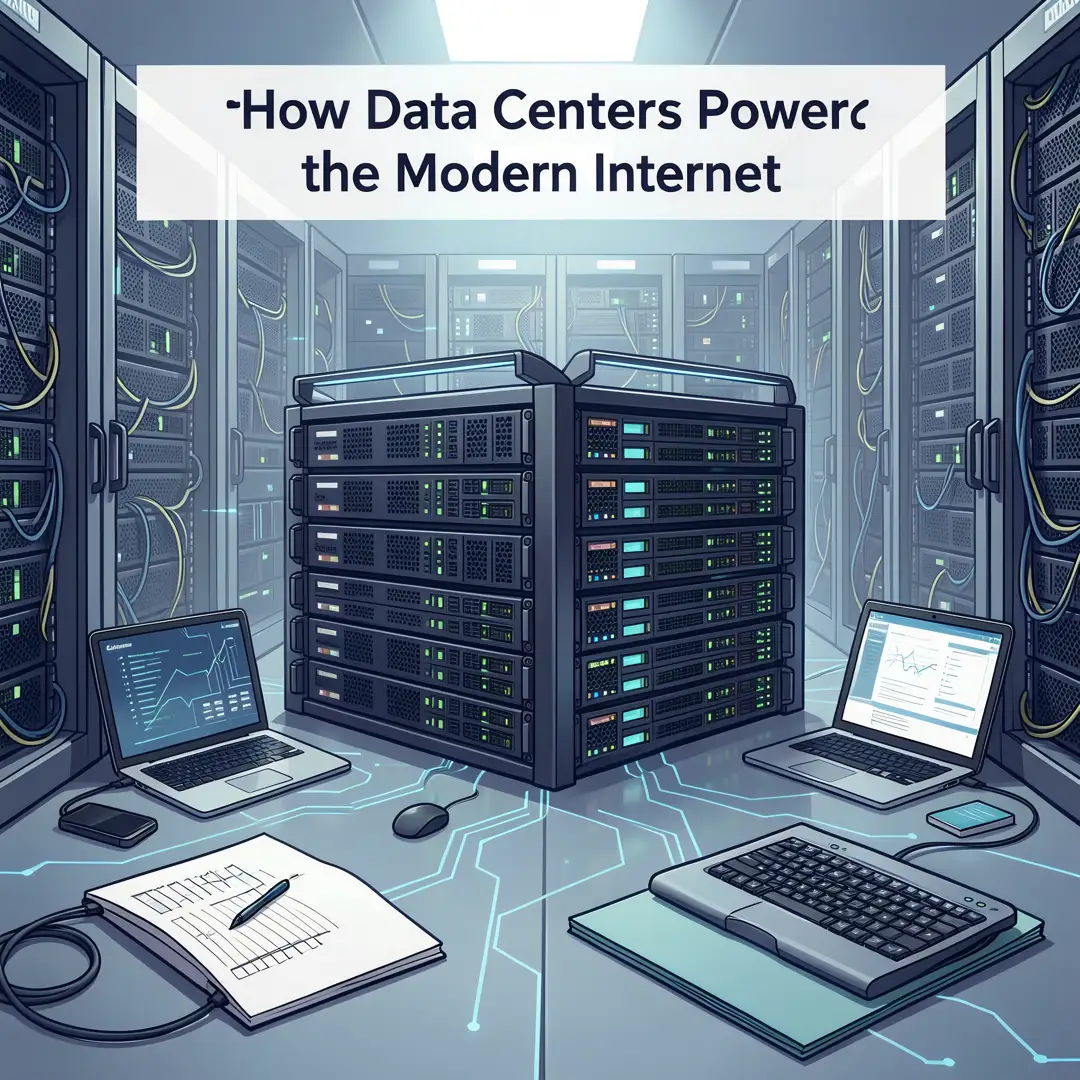
- A notebook or digital document for notes and diagrams.
- Contacts in your network who work with data centers.
Do not overlook community forums, GitHub repositories, and official blogs. Many providers offer free training and certification paths.
Step 5: Apply the core methods
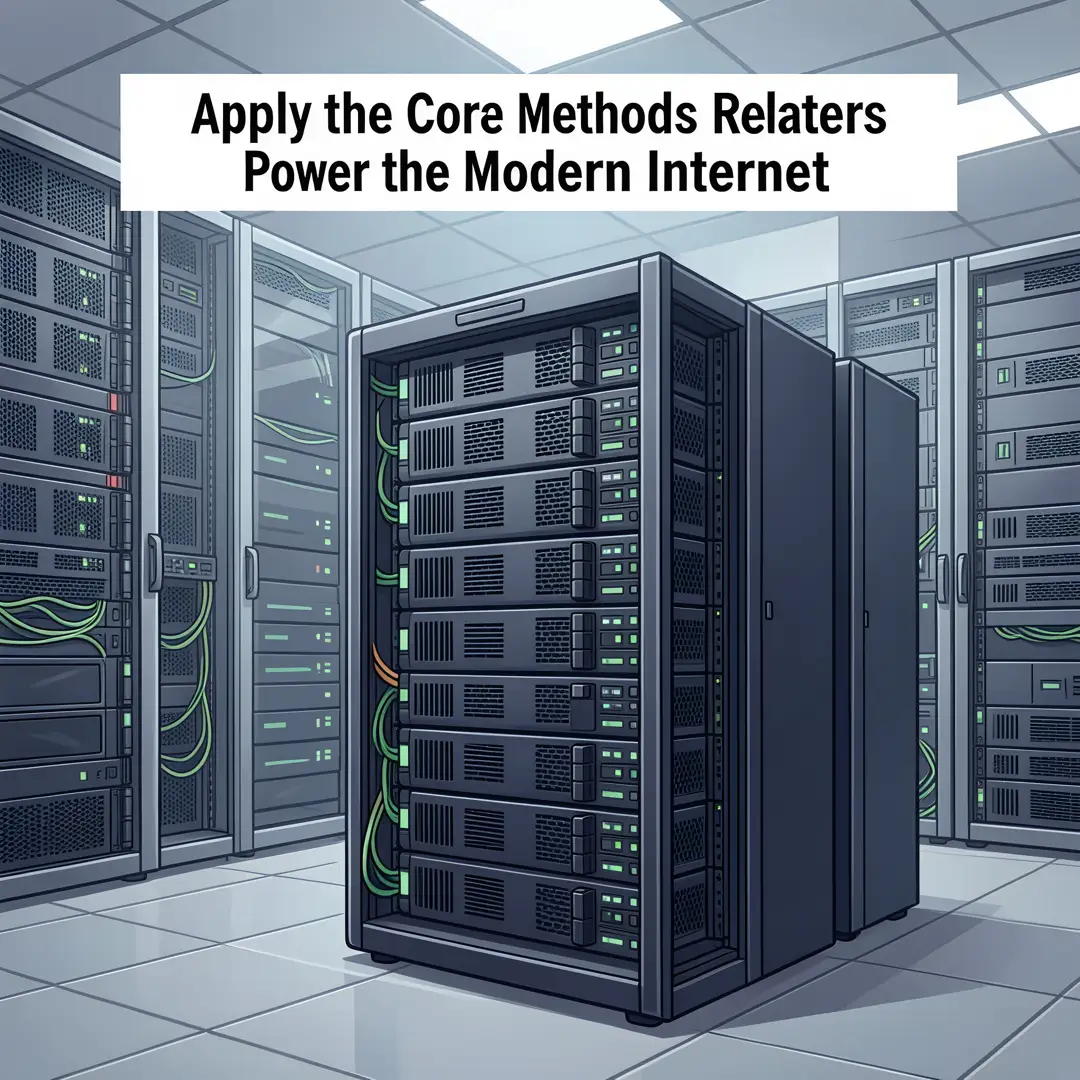
Now put your knowledge into practice. If you are deploying an application, start with a small prototype. Use infrastructure-as-code tools like Terraform or CloudFormation to define resources. Implement monitoring and logging from day one. If you are learning, try to simulate a data center failure: shut down a virtual machine and observe how the system responds. Apply the best practices from the previous section: redundancy, security, and cost optimization. Iterate based on what you learn.
Step 6: Monitor your progress
Track your metrics. For deployments, monitor uptime, latency, error rates, and cost. For learning, track completed courses, labs, and projects. Set up alerts for anomalies. Review your progress weekly or monthly. Adjust your goals and methods as needed. Consistent monitoring turns isolated actions into a sustainable habit.
FAQ
What should I know about How Data Centers Power the Modern Internet?
You should know that data centers are physical facilities that host the servers, storage, and networking equipment that make the internet work. They provide power, cooling, security, and connectivity. Key concepts include redundancy, tiers, PUE, and the difference between enterprise, colocation, hyperscale, and edge data centers. Understanding these basics helps you evaluate hosting options, design resilient applications, and appreciate the infrastructure behind everyday online services.
Who is this guide for?
This guide is for anyone who wants a clear, practical explanation of data centers and their role in the modern internet. It is suitable for IT beginners, business decision-makers, students, and curious users. No prior technical background is required, though some familiarity with basic internet concepts is helpful. The step-by-step section is designed to be actionable for both learners and practitioners.
Do I need my own data center to benefit from this knowledge?
No. Most individuals and businesses use cloud or colocation services. Understanding how data centers work helps you choose providers, negotiate contracts, and architect reliable systems without owning physical infrastructure.
How can I verify a data center’s reliability?
Look for third-party certifications such as Uptime Institute Tier certification, ISO 27001 for security, and SOC 2 reports. Check the provider’s SLA and historical uptime. Read independent reviews and ask for references.
What is the biggest misconception about data centers?
The biggest misconception is that the cloud is ethereal. In reality, the cloud is made of physical data centers that consume significant energy.
You now have a solid foundation for How Data Centers Power the Modern Internet. Apply the best practices above and revisit this guide as your needs evolve.